
Customized Wellness Plans: Annual Investment Strategy
Structuring wellness for compound returns over time
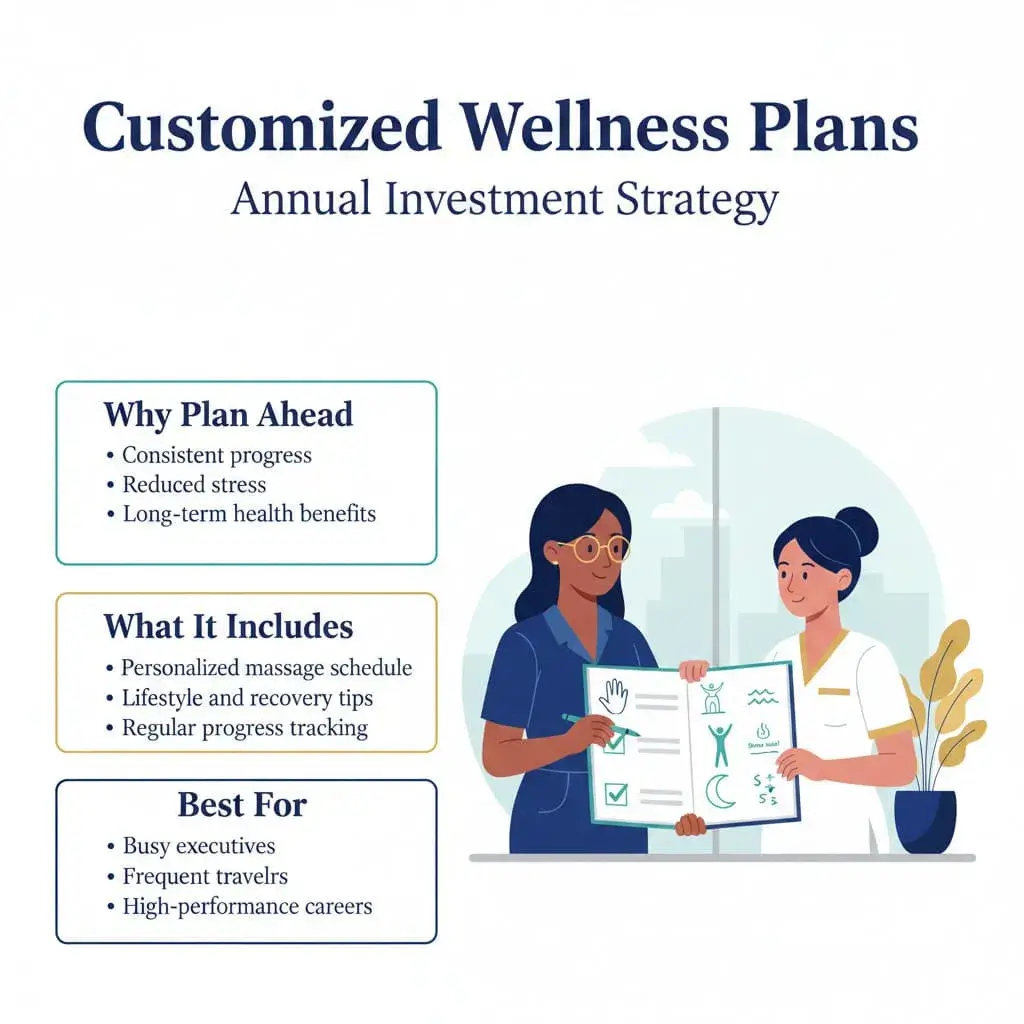
You plan your finances annually. Your career development follows a strategic arc. Your business operates on yearly cycles with quarterly reviews. Yet wellness—the foundation that enables everything else—often receives no structured planning at all. It becomes reactive: address pain when it appears, seek recovery when exhaustion demands it, schedule massage when stress becomes unbearable.
This reactive approach underperforms. Like any investment, wellness compounds when approached consistently over time. Building sustainable wellness habits creates this consistency. The professional who maintains weekly recovery practices throughout the year operates at a different baseline than one who schedules occasional sessions during crises. The difference isn't just comfort—it's sustained capacity, reduced downtime, and compounding benefits that build upon each other.
Annual wellness planning applies strategic thinking to physical maintenance. It considers your professional demands across the year, anticipates high-stress periods, and structures recovery to support rather than react to your schedule. The result is wellness that works with your life rather than despite it.
The Case for Annual Planning
Why plan wellness annually rather than month-to-month or session-by-session? Several factors make longer-term planning more effective:
Compounding Benefits
Massage benefits compound over time. Regular sessions maintain tissue health, prevent tension accumulation, and keep the body in a state where each session builds on previous progress rather than starting from scratch. Monthly planning can't capture this compounding effect; annual planning can.
Anticipating Demand Cycles
Your professional life has predictable patterns. Quarter-end pushes. Annual review cycles. Project deadlines. Travel-heavy periods. Annual planning allows you to increase recovery support during high-demand periods—addressing executive stress proactively—and maintain baseline care during calmer times.
Budget Integration
Treating wellness as an annual budget line item—like professional development, insurance, or other personal investments—changes the psychology. It's no longer discretionary spending to be questioned each time but a planned investment with expected returns. This framing increases consistency and follow-through.
Relationship Development
Working with the same therapist over time produces better outcomes. They learn your patterns, understand your trouble areas, and can track progress across sessions. Annual planning facilitates this continuity rather than treating each session as an isolated transaction.
Designing Your Annual Plan
Effective annual wellness planning considers several dimensions:
Step 1: Map Your Professional Year
Before determining wellness frequency, understand your professional demands across the year. Identify:
- Quarter-end or year-end intensive periods
- Major project deadlines or launches
- Travel-heavy periods (conferences, client visits, international trips)
- Performance review and appraisal cycles
- Budget planning and strategic planning seasons
- Relatively calmer periods when recovery can consolidate
This mapping reveals when you'll need more support and when baseline maintenance suffices. Most professionals find they have 2-3 intensive periods annually, with the rest being moderate demand.
Step 2: Establish Your Baseline Frequency
Your baseline frequency is the minimum that maintains good condition during normal periods. For most professionals in demanding roles, this means:
| Role Type | Recommended Baseline | Session Duration |
|---|---|---|
| High-intensity executive roles | Weekly | 90 minutes |
| Demanding professional roles | Weekly to bi-weekly | 60-90 minutes |
| Moderate desk-based roles | Bi-weekly | 60 minutes |
| Active roles with physical demands | Weekly | 60-90 minutes |
This baseline keeps you in good condition—not catching up from accumulated strain, but maintaining a functional state where issues don't compound.
Step 3: Plan Intensive Periods
During high-demand periods identified in Step 1, increase frequency above baseline. If your baseline is weekly, consider twice weekly during crunch times. If bi-weekly, shift to weekly. This increased support during stress periods prevents the accumulation that would otherwise require extensive recovery afterward.
Step 4: Schedule Recovery Consolidation
After intensive periods, maintain or slightly increase frequency for 2-3 weeks rather than immediately dropping to baseline. This consolidation period allows full recovery and prevents residual issues from carrying forward. Many professionals make the mistake of reducing recovery investment immediately after stress ends, missing the opportunity to fully reset.
Step 5: Build in Flexibility
No annual plan survives contact with reality unchanged. Build flexibility into your approach:
- ✓Maintain some unscheduled sessions in your annual budget for unexpected needs
- ✓Choose a service provider with flexible rescheduling policies
- ✓Have backup time slots identified for weeks when primary scheduling fails
- ✓Review and adjust quarterly based on how the plan is working
Sample Annual Wellness Structures
Three common structures that work for professionals:
The Consistent Weekly Model
52 sessions annually at consistent weekly frequency. Best for: high-intensity roles with sustained demand throughout the year, professionals with significant physical strain (extensive desk work, travel), those who benefit from routine and consistency.
- 48 weeks of weekly 60-90 minute sessions
- 4 weeks flexibility for travel/holidays
- Consistent therapist relationship
- Session timing locked into weekly schedule
- Annual investment: 48-52 sessions
The Variable Intensity Model
Frequency varies with professional demands. Best for: roles with clear high and low seasons, project-based work with defined intensive periods, those who prefer optimizing investment to actual need.
- 12 weeks at twice-weekly frequency (24 sessions) during high-demand periods
- 28 weeks at weekly frequency (28 sessions) during normal periods
- 8 weeks at bi-weekly frequency (4 sessions) during lighter periods
- 4 weeks break for holidays/travel
- Annual investment: 56 sessions
The Maintenance Plus Model
Bi-weekly baseline with surge capacity. Best for: moderate-demand roles, those newer to regular massage, budget-conscious planning with flexibility for increase when needed.
- 40 weeks at bi-weekly frequency (20 sessions) as baseline
- 8 weeks at weekly frequency (8 sessions) during identified high-demand periods
- 4 weeks break for holidays/travel
- Reserve of 4-6 additional sessions for unexpected needs
- Annual investment: 32-34 sessions
| Model | Total Sessions | Best For | Flexibility |
|---|---|---|---|
| Consistent Weekly | 48-52 | High-intensity sustained roles | Low (but predictable) |
| Variable Intensity | 50-60 | Cyclical demand patterns | Moderate |
| Maintenance Plus | 32-40 | Moderate roles, new to planning | High |
Customization Factors
Beyond frequency, effective annual planning considers customization of the sessions themselves:
Seasonal Focus Areas
Your body's needs shift across the year. Summer travel may require focus on lower back and hip flexors. Winter desk-intensive periods may emphasize neck and shoulders. Adjust session focus areas to match seasonal patterns in your work and physical demands.
Technique Rotation
Different massage modalities serve different purposes. Consider rotating techniques across your annual plan:
- Deep tissue during recovery periods when you can handle intensity
- Swedish for maintenance and general stress relief
- Sports massage before or after athletic activities
- Myofascial release when mobility becomes restricted
- Trigger point therapy when specific pain patterns emerge
Duration Adjustment
Session duration can vary based on need. Consider 90-minute sessions during intensive periods when more areas need attention, 60-minute sessions for standard maintenance, and occasionally 120-minute sessions for comprehensive reset after particularly demanding periods.
The Investment Framework
Viewing wellness as investment rather than expense changes how you evaluate it. Investment thinking asks: what is the return?
Direct Returns
- Reduced sick days and health-related absences
- Maintained physical capacity for demanding work
- Better sleep quality affecting next-day performance
- Lower stress levels supporting clearer decision-making
- Prevention of chronic issues like tension headaches that would require more expensive treatment
Indirect Returns
- Sustained energy levels throughout the workday
- Improved mood and interpersonal interactions
- Better capacity to handle unexpected demands
- Longer career sustainability without burnout
- Quality of life improvements outside work
Implementation Strategies
Moving from concept to execution requires practical implementation:
Calendar Integration
Block your wellness sessions on your calendar at the start of each quarter. Treat them as non-negotiable appointments with yourself. When scheduling conflicts arise, reschedule rather than cancel—the session moves but doesn't disappear.
Budget Allocation
Allocate your annual wellness budget at the start of the year. This removes the friction of deciding whether each session is 'worth it'—the decision is already made at the planning level. Monthly or quarterly pre-payment often comes with cost advantages while reinforcing commitment.
Quarterly Review
Review your wellness plan quarterly. Are you hitting your planned frequency? How is your physical condition tracking? Do upcoming demands require adjustment? This review keeps the plan responsive to reality while maintaining overall strategic direction.
Therapist Partnership
Share your annual plan with your therapist. When they understand your professional patterns and wellness goals, they can adjust sessions accordingly—deeper work during recovery periods, maintenance focus during high-demand times, attention to areas you know become problematic during certain activities.
Common Planning Mistakes
Avoid these common errors in wellness planning:
Underestimating High-Demand Periods
Professionals often underestimate how demanding their intensive periods actually are. If anything, overestimate the support needed during these times. Excess capacity during crunch times is rarely wasted.
Cutting During Stress
When time pressure increases, wellness sessions often get cut first. This is precisely backwards—high-stress periods are when recovery support is most valuable. Protect wellness sessions during demanding times; they're maintaining the capacity that enables everything else.
Ignoring Recovery Windows
The period after intense demands is when recovery investment pays highest returns. Don't immediately reduce frequency after a project ends or a stressful period passes. Allow 2-3 weeks of maintained or increased support to fully recover before dropping to baseline.
Rigid Adherence
While consistency matters, rigid adherence to plans that aren't working serves no purpose. If your plan isn't producing expected results, adjust it. Annual planning provides structure, not a straitjacket.
Frequently Asked Questions
How much should I budget annually for wellness massage?
What if my work demands are unpredictable?
Should I use the same therapist all year?
How do I know if my plan is working?
Can I share a wellness plan with my partner?
What about travel that disrupts the schedule?
How do I adjust the plan mid-year?
Is annual planning worth the effort?
Strategic Wellness
Professionals succeed by thinking strategically—applying systematic approaches to challenges rather than reacting to whatever arises. Wellness deserves this same strategic attention. Your physical capacity underlies your professional capacity; maintaining it through planned, consistent investment produces better outcomes than addressing it only when problems force attention.
Annual wellness planning is simply applying to your body the same strategic thinking you apply to your career, finances, and business. Map the year's demands. Match resources to anticipated needs. Build in flexibility for the unexpected. Review and adjust based on results.
The professionals who sustain high performance over decades aren't those who push hardest without recovery—they're those who systematically maintain the physical foundation that enables continued performance. Premium home wellness makes this maintenance practical. Annual wellness planning is how that maintenance becomes consistent, effective, and aligned with your actual life.
Related Articles

Sustainable Wellness: Building Habits That Last
How busy professionals build wellness routines that actually stick. Evidence-based strategies for making self-care sustainable rather than sporadic.
Premium Home Wellness: Why Professionals Choose Home Services
Why successful professionals choose home massage over traditional spas. Discover the productivity, privacy, and quality advantages of home wellness.
Professional Recovery Massage: Guide for Demanding Careers
How professionals in demanding careers use strategic recovery massage to maintain peak performance. Protocols for physical, cognitive, and travel recovery.
Executive Stress Relief: Science-Backed Recovery Protocols
How high-pressure decision-making creates unique stress patterns and the evidence-based recovery protocols that top performers use for demanding careers.
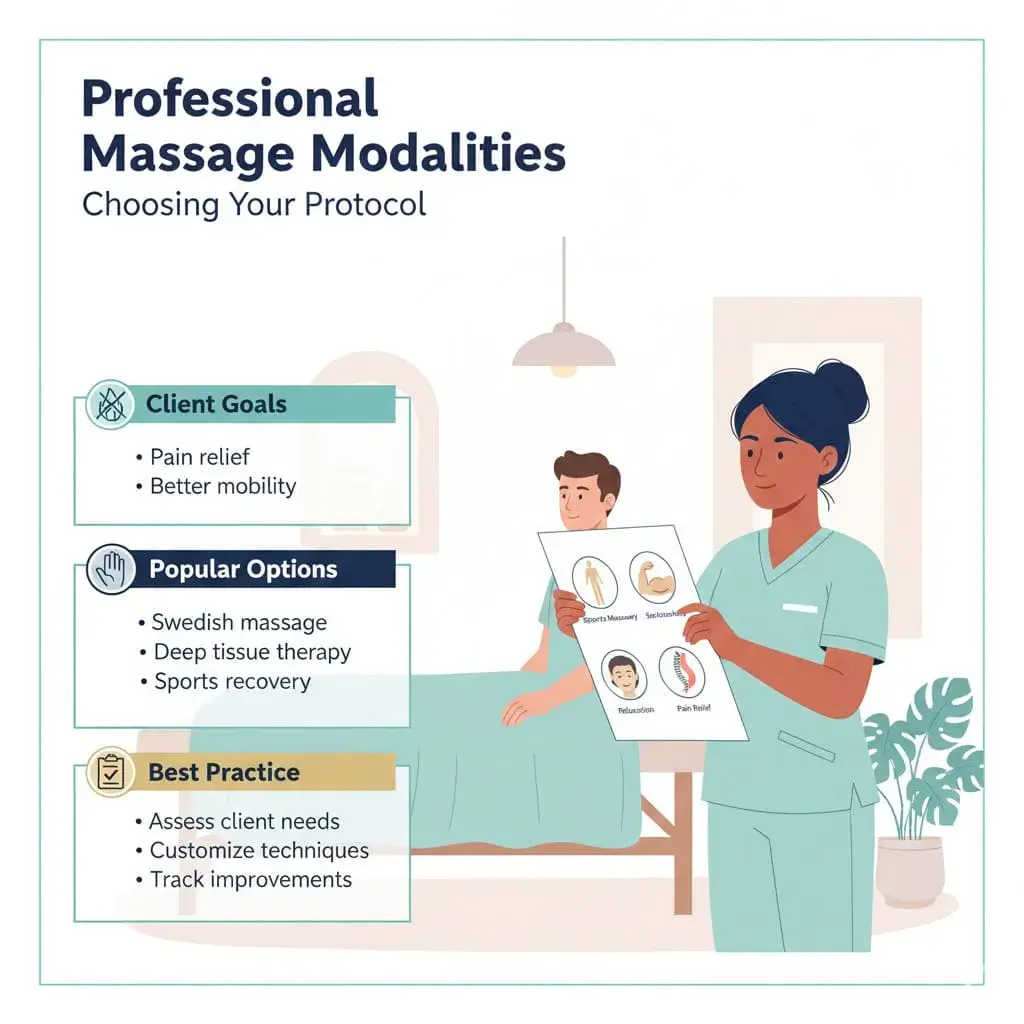
Professional Massage Modalities: Choosing Your Protocol
A decision framework for choosing the right massage type. Compare Swedish, deep tissue, sports, Thai, and other modalities to find your ideal match.