
Building a Premium Clientele: From Spa Employment to Independence
A practical roadmap for therapists ready to elevate their careers
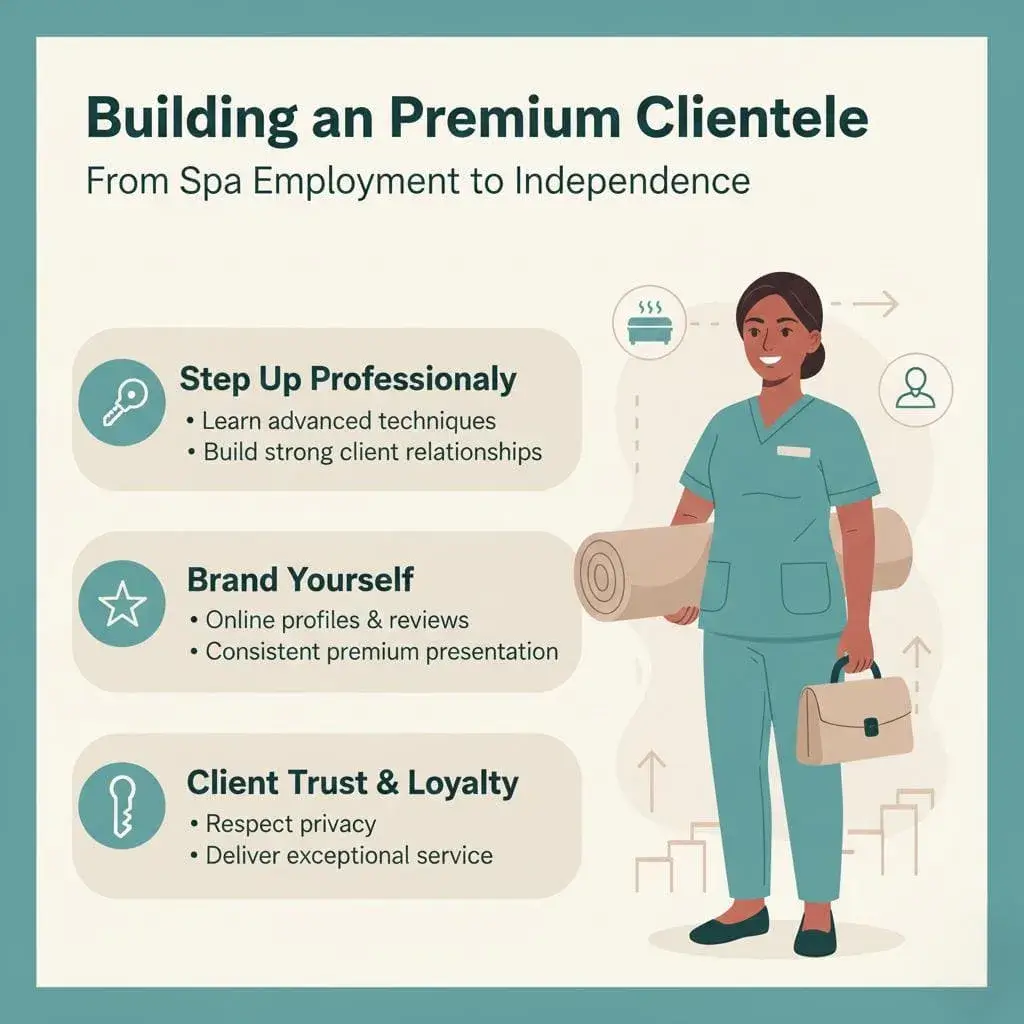
Many skilled massage therapists reach a point where spa employment feels limiting. The schedule constraints, the session quotas, the ceiling on earnings despite growing expertise—these frustrations are common. Premium home services offer an alternative: better income, schedule control, professional autonomy, and direct client relationships. But the transition requires preparation.
This isn't about abandoning everything overnight. The most successful transitions are gradual and strategic—building the new while maintaining stability. Whether you're considering the shift, actively planning it, or already in transition, understanding the path helps you navigate it successfully.
This article provides a practical roadmap for therapists moving from spa employment toward premium home services. At Elite Spa, operating in Mumbai, Bangalore, Delhi, Pune, and Chennai, we've seen many therapists make this transition successfully. Here's what works.
Assessing Your Readiness
Before planning the transition, honestly assess where you stand:
Technical Foundation
Premium clients expect premium skills. Do you have solid proficiency in multiple modalities? Can you adapt techniques to varied client needs? Are you confident addressing common issues like desk-worker tension, stress-related patterns, and athletic recovery? Home services demand versatility—you won't have colleagues to refer difficult cases to.
If technical gaps exist, address them before transitioning. Additional training now pays dividends later. Premium positioning requires premium capability.
Professional Maturity
Home services require self-direction. Can you manage your schedule effectively? Do you communicate professionally without supervision? Can you handle difficult situations independently? Spa environments provide structure and backup; independence removes both. Be honest about your readiness for self-management.
Financial Stability
Transitions take time. Do you have savings to bridge potential income gaps? Can you invest in quality equipment? Are you prepared for variable income while building your client base? Financial pressure leads to poor decisions—having a cushion allows strategic patience.
Equipment and Transport
Home services require your own professional equipment: quality portable table, linens, oils, and supplies. You need reliable transportation to reach clients across your service area. These aren't optional—they're baseline requirements. Factor these investments into your transition planning.
- ✓Proficiency in multiple massage modalities
- ✓Confidence addressing common client issues independently
- ✓Professional communication and self-management skills
- ✓Financial cushion for transition period
- ✓Quality portable equipment or budget to acquire it
- ✓Reliable transportation
The Graduated Transition
The smartest transitions happen gradually, not abruptly:
Phase 1: Preparation While Employed
While still at your spa, prepare the foundation. Acquire equipment. Develop your professional presentation. Research platforms like Elite Spa. Build savings. Address any skill gaps through training. This phase might take 2-6 months depending on your starting point.
Use this time to observe your spa clients. Which types do you most enjoy working with? What issues do you handle best? These insights inform your positioning in premium services.
Phase 2: Testing the Waters
Begin home services alongside your spa work. Join a platform, accept bookings that fit around your spa schedule—evenings, days off, weekends. Experience the differences firsthand. Learn what works, what challenges arise, how you feel about the model.
This dual-track period provides income security while you learn. Mistakes matter less when you have stable backup income. Give yourself 3-6 months minimum in this phase.
Phase 3: Shifting Balance
As home service clients build, gradually shift your balance. Reduce spa hours if possible. Take more platform bookings. Track your income from each source. When home services consistently match or exceed your spa income—and you're confident in sustainability—you're ready to consider full transition.
Phase 4: Full Independence
Transition fully to home services when the numbers and your confidence support it. By now you have established clients, understand the model, and have proven you can sustain income. The shift feels natural rather than risky because you've validated it progressively.
Working with Platforms
For most transitioning therapists, platforms provide the bridge to independence:
Why Platforms Help Transitions
Building a client base from scratch is the hardest part of independence. Platforms like Elite Spa solve this—they connect you with clients who are already looking for premium home services. You skip the marketing struggle and go straight to doing what you do best: providing excellent massage.
Platforms also provide structure during transition: booking systems, payment processing, support when issues arise. This infrastructure lets you focus on service delivery while learning the independence model.
Choosing the Right Platform
Not all platforms are equal. Evaluate based on: client quality (premium vs. discount-seeking), therapist support, schedule flexibility, geographic coverage, and how they treat their therapists. Speak with current therapists if possible. Choose platforms that align with premium positioning.
Maximizing Platform Success
On platforms, your reputation builds through consistent quality. Every session matters—satisfied clients return and the platform's systems favor reliable therapists. Respond promptly to booking requests. Maintain your availability accurately. Deliver excellent service consistently. These basics compound into success.
Building Your Client Base
Sustainable independence requires clients who return:
Excellence Creates Retention
The foundation of client building is simple: be so good that clients want to book you again. Premium clients who find a therapist meeting their standards become repeat clients. Focus obsessively on service quality—technical excellence, professional presentation, reliability, communication. Acquisition follows from retention.
Understanding Premium Client Needs
Premium clients are typically busy professionals. They value: convenience (you come to them), consistency (same quality every time), reliability (you show up when scheduled), and expertise (you solve their specific issues). Deliver on these values and retention follows naturally.
The Power of Regular Clients
Your goal isn't maximum clients—it's the right number of regular clients. Ten clients booking weekly provide more stable income than fifty occasional clients. Regular relationships are also more satisfying professionally. Prioritize building ongoing relationships over chasing new bookings.
Natural Referral Growth
Satisfied premium clients refer other premium clients. They mention their therapist to colleagues, friends, family. This organic growth brings clients already predisposed to value your service. You don't need aggressive marketing—excellence markets itself through results and word-of-mouth.
| Factor | Spa Employment | Premium Home Services |
|---|---|---|
| Client access | Provided by employer | Through platforms or self-developed |
| Schedule control | Shift-based, employer-set | Self-determined |
| Income ceiling | Limited by hourly rate | Based on client base and rates |
| Client relationships | Often transactional | Ongoing, personal |
| Professional autonomy | Protocol-constrained | Judgment-driven |
| Equipment/supplies | Employer-provided | Your responsibility |
| Income stability | Consistent (if employed) | Variable (client-dependent) |
Developing Business Skills
Independence requires more than massage skills:
Schedule Management
Without a spa schedule structuring your days, you must manage time intentionally. Block time for sessions, travel, breaks, and administrative tasks. Avoid over-booking that leads to burnout or under-booking that leaves income gaps. Find your sustainable rhythm—it may differ from spa patterns.
Financial Tracking
Track your income and expenses systematically. Understand your actual earnings per session after costs. Know your monthly minimums. Set aside reserves for slow periods and equipment replacement. Platforms simplify payment processing, but financial awareness remains your responsibility.
Professional Boundaries
Without employer policies defining boundaries, you set your own. What hours will you work? Which requests will you decline? How will you handle difficult situations? Clear personal policies, decided in advance, prevent reactive decisions under pressure.
Continuous Learning
Spa employment often includes access to training. As an independent, you're responsible for your own development. Budget time and money for continuing education. Stay current with techniques and research. Your expertise is your competitive advantage—keep sharpening it.
Common Transition Challenges
Anticipating challenges helps you navigate them:
Income Variability
Unlike salary, home service income fluctuates. Some weeks are full; others have gaps. Seasonality affects bookings. Client cancellations happen. Build financial reserves to smooth these variations. Aim for average monthly targets rather than expecting consistent weekly income.
Isolation
Spa work includes colleagues—people who understand the work, share experiences, provide support. Home services can feel isolating. Counter this by connecting with other therapists, participating in professional communities, maintaining relationships outside work. Independence doesn't require isolation.
Self-Motivation
Without a boss or schedule requiring your presence, motivation must come from within. Some therapists thrive with this freedom; others struggle. Know yourself. If you need external structure, create it—regular routines, scheduled work hours, accountability systems.
Physical Sustainability
Without spa session limits, it's tempting to over-work when bookings are available. This leads to physical burnout—the end of many massage careers. Set sustainable limits. Premium rates from fewer sessions can equal high-volume income with less physical cost. Protect your body for career longevity.
Measuring Success
Track progress to stay on course:
Income Metrics
- Monthly gross income vs. target
- Average income per session (after costs)
- Income stability (variance month-to-month)
- Percentage from repeat vs. new clients
Client Metrics
- Number of regular (monthly+) clients
- Client retention rate
- Rebooking rate after first sessions
- Referral frequency
Sustainability Metrics
- Sessions per week (staying within sustainable limits)
- Physical comfort (no developing strain issues)
- Work-life satisfaction
- Professional fulfillment
Frequently Asked Questions
How long does the transition typically take?
How much savings should I have before transitioning?
Should I tell my spa employer about my plans?
What equipment investment is needed?
How many clients do I need to replace my spa income?
What if home services don't work out?
How do I handle taxes and compliance as an independent?
Can I work with multiple platforms?
Making the Leap
The transition from spa employment to premium home services represents one of the most significant career elevations available to massage therapists. Greater income, schedule control, professional autonomy, and direct client relationships—these aren't minor improvements but fundamental changes in how you work and live. Explore the various career paths available as you grow.
The path requires preparation, patience, and intentional development. Understanding safety protocols and professional standards is essential. Rushing leads to struggle; strategic progression leads to sustainable success. Most therapists who approach the transition thoughtfully wonder why they waited so long.
If you're ready to explore premium home services, Elite Spa provides the platform to begin. Learn more about career opportunities for female therapists. We connect skilled therapists with professional clients across Mumbai, Bangalore, Delhi, Pune, and Chennai. Your expertise deserves an environment where it's valued appropriately.
Related Articles
Female Massage Therapists: Thriving in Premium Home Services
How female massage therapists build rewarding careers in premium home services. Professional growth, client quality, and work-life balance in the evolving wellness industry.
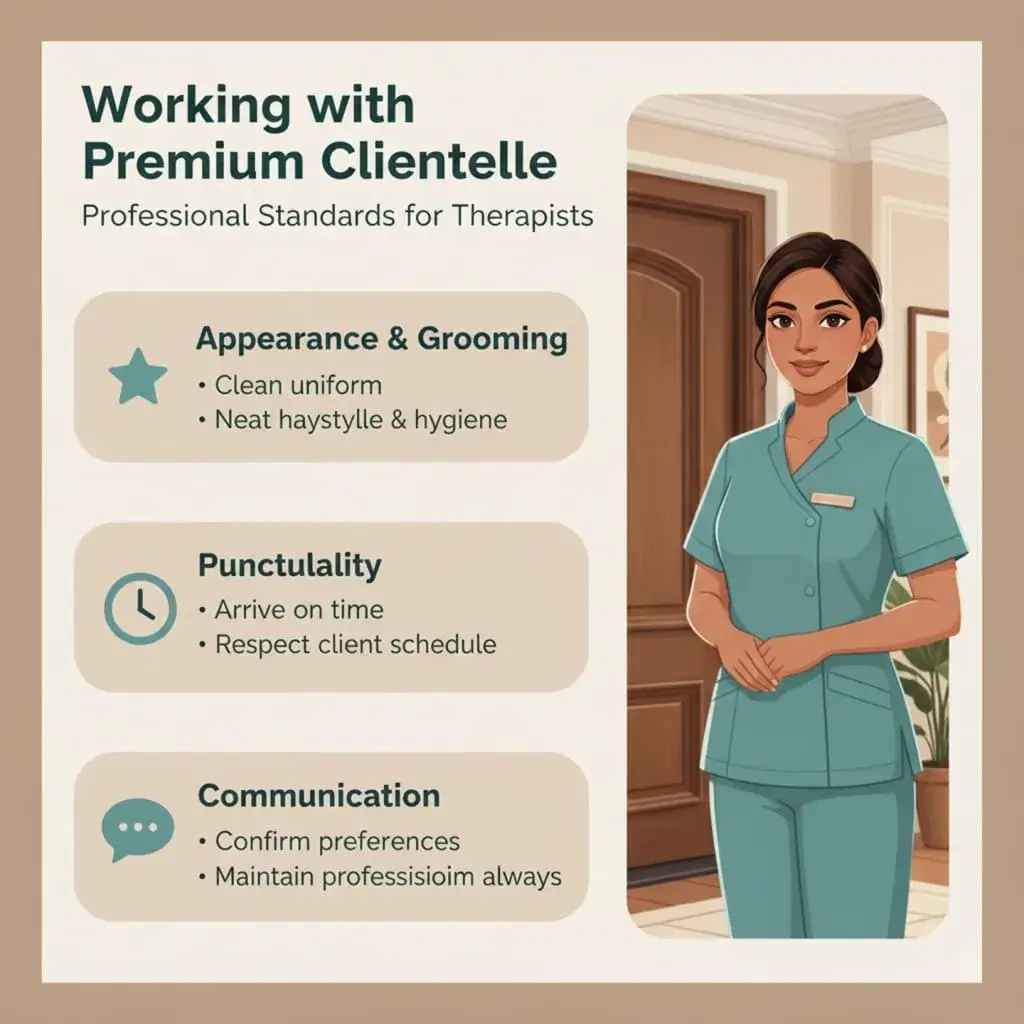
Working with Premium Clientele: Professional Standards for Therapists
How massage therapists excel with premium professional clients. Communication, presentation, and service standards that build lasting client relationships and career success.
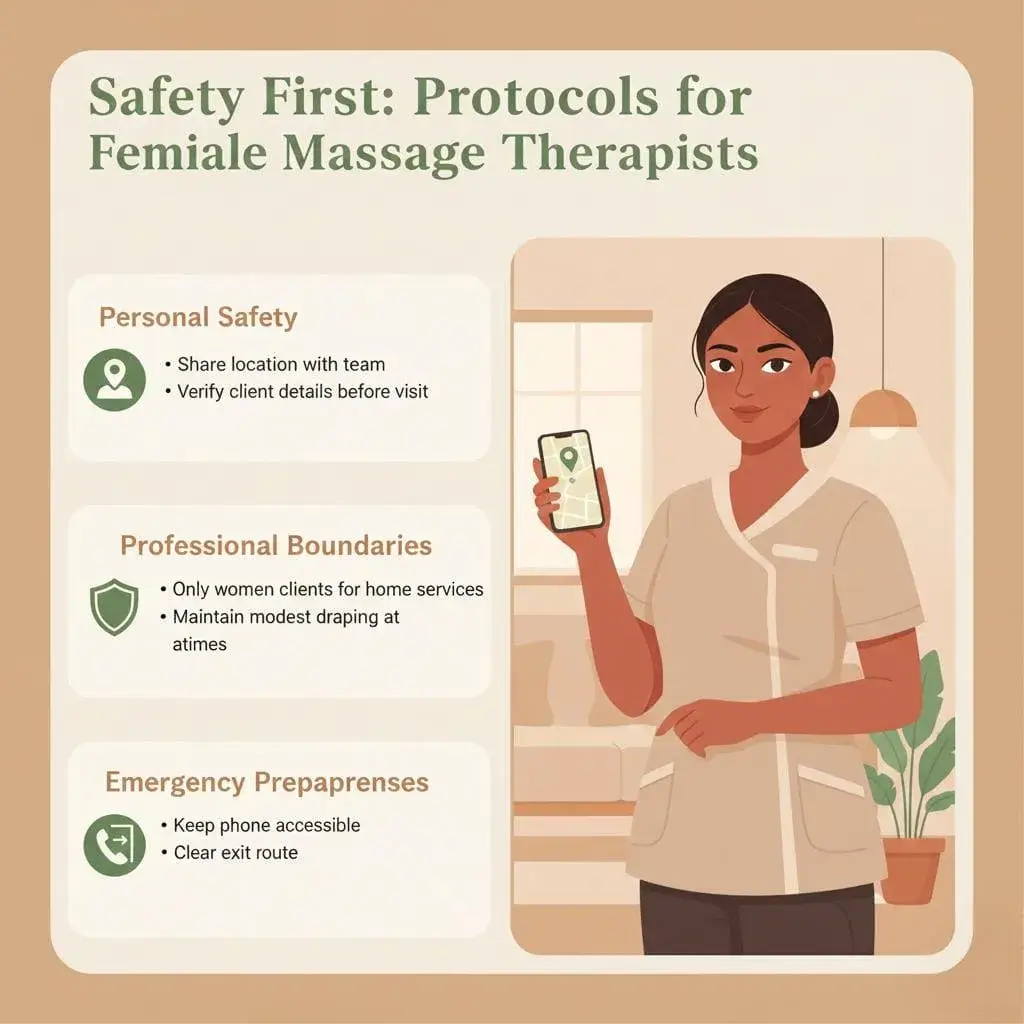
Safety First: Protocols for Female Massage Therapists
Safety guidance for female massage therapists in home services. Professional standards, personal safety practices, and what to look for in a quality platform.
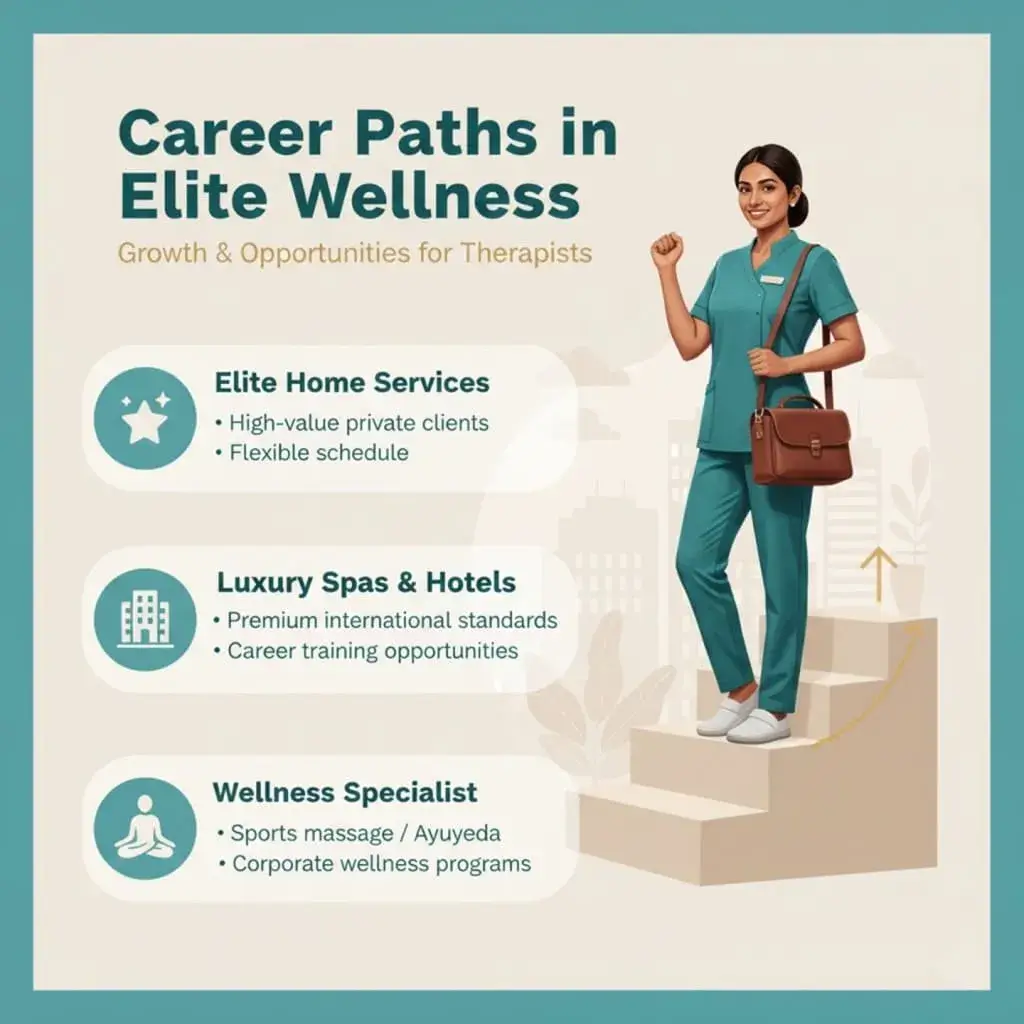
Career Paths in Elite Wellness: Growth & Opportunities
Explore career growth opportunities for massage therapists in premium wellness. From specialist development to leadership roles, discover paths beyond session-by-session work.
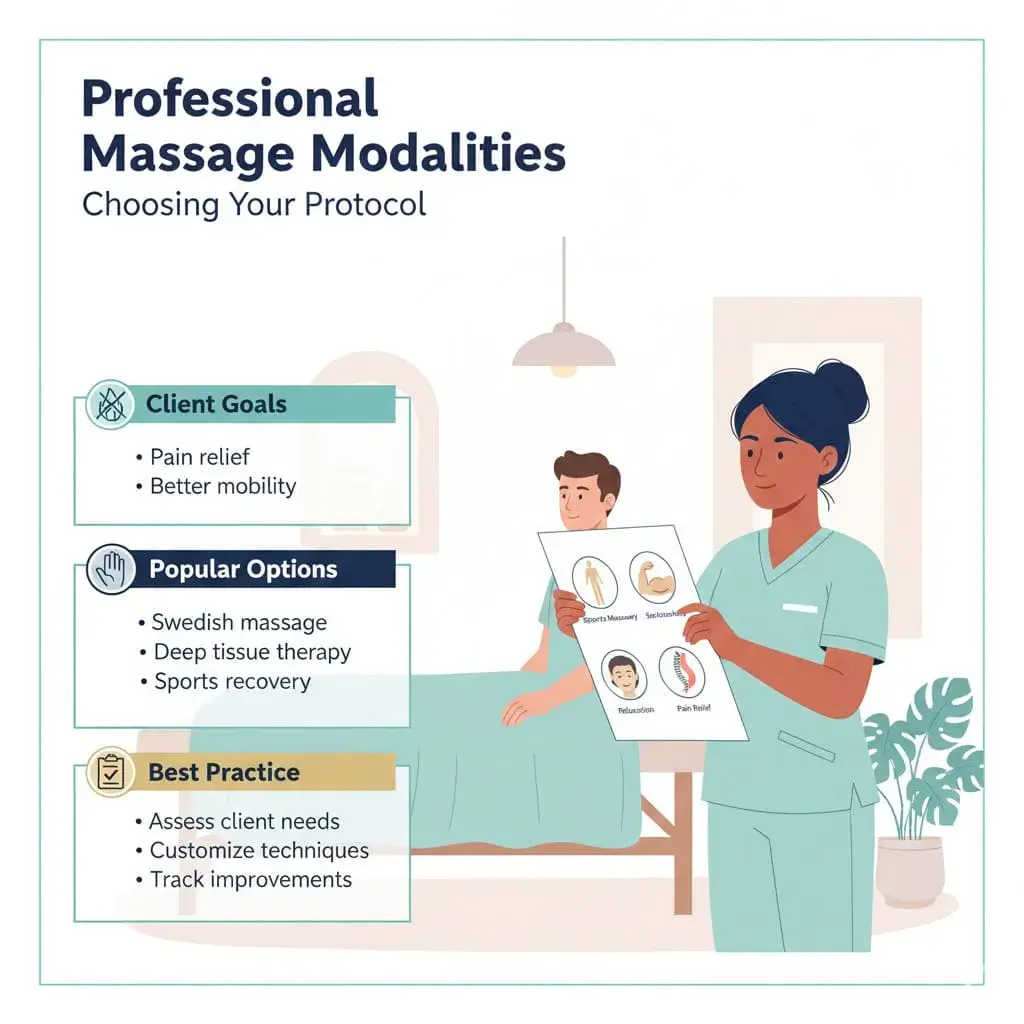
Professional Massage Modalities: Choosing Your Protocol
A decision framework for choosing the right massage type. Compare Swedish, deep tissue, sports, Thai, and other modalities to find your ideal match.