
Working with Premium Clientele: Professional Standards for Therapists
Building successful relationships with discerning professional clients
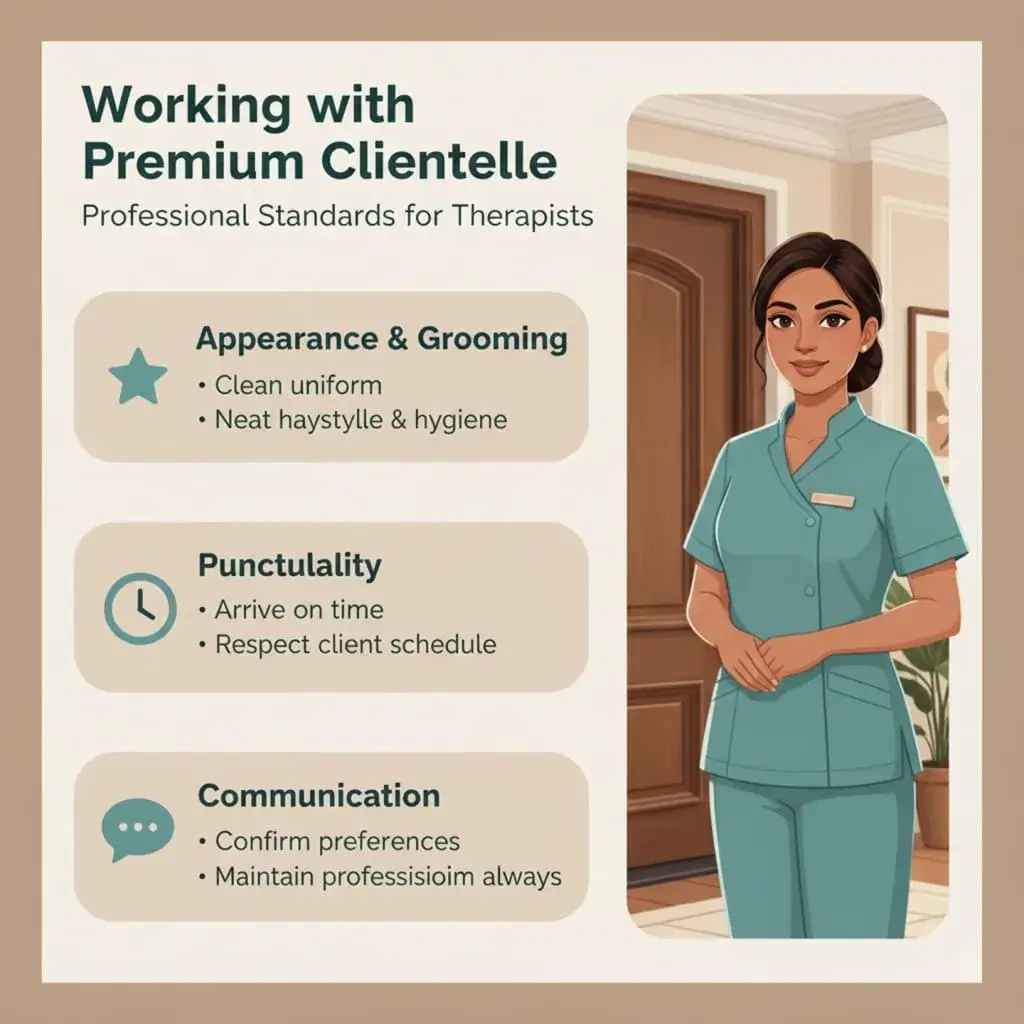
Working with premium clientele isn't just about technical massage skills—though those matter tremendously. It's about understanding what professional clients value, how they think, and what makes them choose one therapist over another for ongoing relationships. The therapists who thrive with executive and professional clients master both the craft and the context. Whether you're a female therapist building a career or transitioning from spa work, these skills are essential.
Premium clients—executives, business owners, IT professionals, and other high-achievers—have specific expectations shaped by their professional environments. They're accustomed to quality service. They value efficiency and reliability. They notice details. Meeting these expectations isn't about being servile; it's about matching their professional standards with your own.
This article explores what premium clients expect, how successful therapists deliver it, and how these standards build careers worth having. At Elite Spa, operating in Mumbai, Bangalore, Delhi, Pune, and Chennai, we connect skilled therapists with professional clients who appreciate quality. Understanding these dynamics helps you succeed.
Understanding Premium Clients
Before exploring standards, understand who you're serving:
Time-Conscious Professionals
Your clients manage demanding schedules. They've carved out time for massage because they understand its value for their performance and wellbeing. That time is precious—they expect it used well, not wasted on disorganization, lateness, or unnecessary delays. Respecting their time demonstrates professional respect.
Quality-Oriented Decision Makers
These are people who evaluate quality daily in their professional lives. They recognize excellence and mediocrity. They've chosen premium home services deliberately, paying more for better outcomes. They expect the premium they're paying to translate into premium experience and results.
Clear Communicators
Professional clients typically communicate directly. They'll tell you what they need, ask questions when uncertain, and provide feedback. This directness is a gift—it removes guesswork. Match their communication style: be clear, be direct, be professional.
Relationship Builders
When premium clients find a therapist who meets their standards, they want to keep that relationship. They're not looking for one-time transactions—they want reliable, ongoing service they can depend on. Your goal isn't just a good session; it's becoming their therapist.
Professional Presentation
First impressions matter, and in home services, you are the entire brand experience:
Appearance Standards
Professional appearance signals professional service. Clean, pressed attire in neutral, professional colors. Neat grooming. Minimal jewelry that won't interfere with work. No strong fragrances that might conflict with client preferences or cause reactions. Your appearance should say 'skilled professional,' not 'casual acquaintance.'
Equipment Quality
Your equipment reflects your professionalism. Quality portable table in good condition—no wobbly legs, worn padding, or squeaky mechanisms. Fresh, high-quality linens for every session. Professional-grade oils and supplies. Organized transport system that looks intentional, not haphazard. Clients notice these details.
Punctuality
Arrive on time—which means arriving early enough to be ready at the scheduled start. Account for traffic, parking, building access. Premium clients block specific time for their sessions; running late disrupts their schedules and signals disrespect. Punctuality is non-negotiable at this level.
Setup Efficiency
Setup should be quick, quiet, and professional. Know your equipment so well that assembly is automatic. Arrange the space efficiently without excessive fuss. The transition from arrival to session-ready should feel smooth and competent, not chaotic or time-consuming.
- ✓Professional attire: clean, pressed, neutral colors
- ✓Equipment in excellent condition
- ✓Fresh linens for every session
- ✓Arrive early enough to start on time
- ✓Efficient, quiet setup process
- ✓Organized, professional supply transport
Communication Excellence
How you communicate shapes the entire client experience:
Initial Consultation
Begin each session with focused consultation. Ask about current concerns, areas needing attention, any changes since last session. Listen actively—these are busy people giving you valuable information. Confirm understanding before beginning. This consultation should be efficient but thorough, typically 2-3 minutes.
During-Session Communication
Check in appropriately without excessive talking. 'How's the pressure here?' when working a new area. Notice non-verbal cues—tension, breathing changes, shifting. Some clients want silence; others appreciate brief updates on what you're finding. Read and adapt to individual preferences.
Post-Session Guidance
End with relevant recommendations: stretches for problem areas, hydration reminders, suggestions for session frequency. Keep it concise and actionable. Premium clients appreciate expertise delivered efficiently. This brief guidance demonstrates ongoing value beyond the session itself.
Professional Boundaries
Maintain professional conversation. Avoid gossip, complaints about other clients, excessive personal sharing. Be warm but appropriate. The relationship is professional service, not friendship—though genuine warmth within professional bounds is valued. Let the client set the conversational tone.
Service Excellence
Beyond basics, what distinguishes exceptional service:
Consistent Quality
Every session should meet the same high standard. Not just your best work when you're energized, but reliable excellence regardless of your personal circumstances. Premium clients expect consistency—their Tuesday evening session should be as good as their Saturday morning session. Build systems and habits that ensure consistent delivery.
Adaptive Expertise
Different sessions require different approaches. The client who arrived tense from a difficult meeting needs different treatment than the same client after a vacation. Read the situation. Adapt your approach. Your expertise should respond to what each session actually requires, not deliver a standard routine regardless of circumstances.
Attention to Environment
Notice and adapt to the client's space. Ask about music preferences—or if they prefer silence. Adjust lighting if appropriate and possible. Be mindful of temperature. These environmental factors affect the experience significantly. Showing awareness of them demonstrates service sophistication.
Seamless Conclusion
End sessions smoothly. Give the client time to reorient before you begin breakdown. Pack up efficiently and quietly. Leave the space as you found it—better if possible. The departure should feel as professional as the arrival. A graceful exit completes the premium experience.
Building Client Relationships
Long-term client relationships are the foundation of a sustainable premium practice:
Reliability Above All
Be someone clients can count on. Show up when scheduled. Deliver consistent quality. Respond to messages promptly. Handle scheduling professionally. Reliability builds trust, and trust builds relationships. Premium clients have enough uncertainty in their lives—be a source of dependability.
Continuity of Care
Track client progress across sessions. Notice patterns in their tension, improvements over time, recurring issues. Reference previous sessions appropriately. This continuity transforms individual sessions into ongoing therapeutic relationships. Clients value therapists who understand their bodies and histories.
Proactive Communication
If you need to reschedule, communicate early and professionally with alternatives. If you notice something in a session that warrants follow-up, mention it. If a client's schedule seems irregular, a gentle check-in shows care without pressure. Professional proactivity strengthens relationships.
Respecting Boundaries
Professional relationships have limits. Don't push for personal connection. Don't expect friendship. Don't take schedule changes personally. The relationship works because it has clear boundaries—you provide excellent service, they compensate appropriately, mutual respect governs interactions. This clarity actually enables better relationships.
| Element | Standard Service | Premium Service |
|---|---|---|
| Arrival | On time | 5-10 minutes early, ready to start on schedule |
| Consultation | Brief or skipped | Focused, thorough, efficient |
| Treatment | Standard routine | Adapted to current client state |
| Communication | Minimal | Appropriate, professional, remembered context |
| Conclusion | Quick wrap-up | Guidance, smooth transition, professional exit |
| Relationship | Transactional | Ongoing, tracked, valued |
Handling Challenges Professionally
Even with premium clients, challenges arise. How you handle them matters:
Schedule Conflicts
When you need to reschedule, communicate promptly with apology and alternatives. When clients reschedule frequently, remain professional—their lives are demanding. Have clear policies on cancellations but apply them with appropriate flexibility for valued long-term clients. The relationship matters more than any single session.
Feedback and Requests
Premium clients may provide direct feedback or make specific requests. Receive feedback professionally—not defensively. Accommodate reasonable requests. If a request falls outside your scope, explain clearly and offer alternatives. Professional response to feedback builds trust.
Difficult Situations
If a client is stressed, irritable, or having a difficult day, maintain your professional equilibrium. Don't take mood personally. Your calm professionalism can actually help—the session becomes a respite from whatever is troubling them. Be the stable element in their potentially chaotic day.
Boundary Issues
If professional boundaries are tested, address clearly and professionally. Most premium clients respect boundaries when clearly stated. If issues persist, you have full authority to decline future bookings. Elite Spa supports therapists maintaining professional standards. Never compromise your professional integrity.
Continuous Improvement
Premium service requires ongoing development:
Technical Skills
Continue advancing your massage expertise. Learn new modalities. Deepen understanding of anatomy and pathology. Pursue advanced certifications. Premium clients expect premium skills—stay ahead of their expectations through continuous learning.
Industry Awareness
Understand trends in wellness, research on massage efficacy, developments in your specialties. Premium clients often ask informed questions—be prepared to discuss intelligently. This knowledge positions you as an expert, not just a technician.
Self-Reflection
Regularly assess your service. What went well? What could improve? Which clients seem most satisfied, and why? Learn from both successes and shortcomings. The best therapists are always refining their craft and service approach.
Professional Community
Connect with other premium service therapists. Share insights, discuss challenges, learn from peers. Elite Spa facilitates community among our therapists—use these connections to grow. Isolation limits growth; professional community accelerates it.
- Pursue continuing education and advanced certifications
- Stay current with massage therapy research
- Reflect regularly on service quality and areas for growth
- Learn from peer therapists and professional community
- Develop specializations that serve your client base
Frequently Asked Questions
How do I handle a client who seems dissatisfied?
Should I adjust my communication style for different clients?
How important is ongoing education for working with premium clients?
What if a client requests a technique I am not trained in?
How do I build long-term relationships with clients who travel frequently?
Is it appropriate to suggest increased session frequency?
How do I maintain energy and quality across multiple daily sessions?
What makes premium clients choose one therapist over another?
The Premium Standard
Working with premium clientele is both demanding and rewarding. These clients expect excellence—in technical skill, professional presentation, communication, and service delivery. Meeting these expectations requires conscious effort and continuous development.
But the rewards match the demands. Premium clients who find therapists meeting their standards become loyal, long-term relationships. They refer other quality clients. They provide stable, sustainable income. They treat therapists as valued professionals rather than interchangeable service providers. Explore the various career paths available as you grow.
At Elite Spa, we connect therapists who meet these standards with clients who appreciate them. Ensuring therapist safety while delivering premium service is foundational to how we operate. If you're committed to professional excellence and ready to serve discerning professionals, this is work worth pursuing.
Related Articles

Female Massage Therapists: Thriving in Premium Home Services
How female massage therapists build rewarding careers in premium home services. Professional growth, client quality, and work-life balance in the evolving wellness industry.
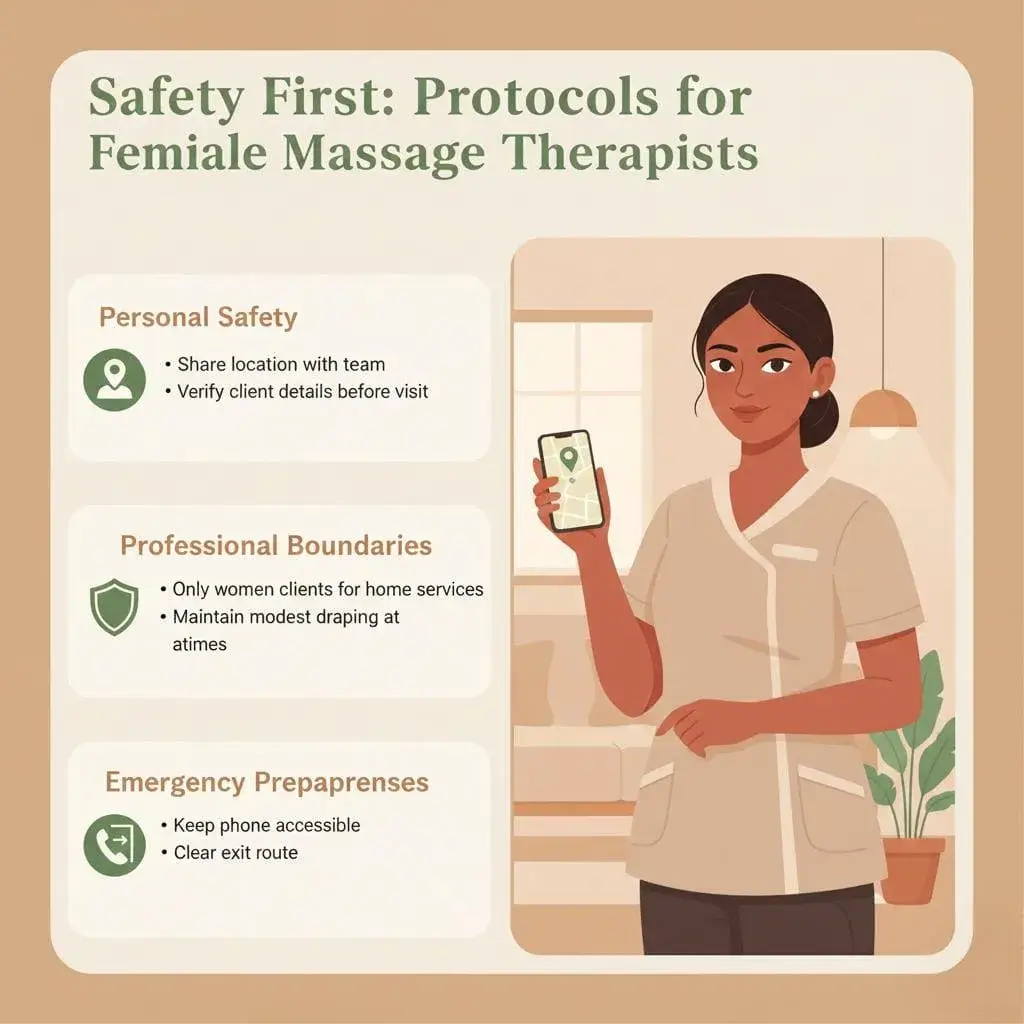
Safety First: Protocols for Female Massage Therapists
Safety guidance for female massage therapists in home services. Professional standards, personal safety practices, and what to look for in a quality platform.
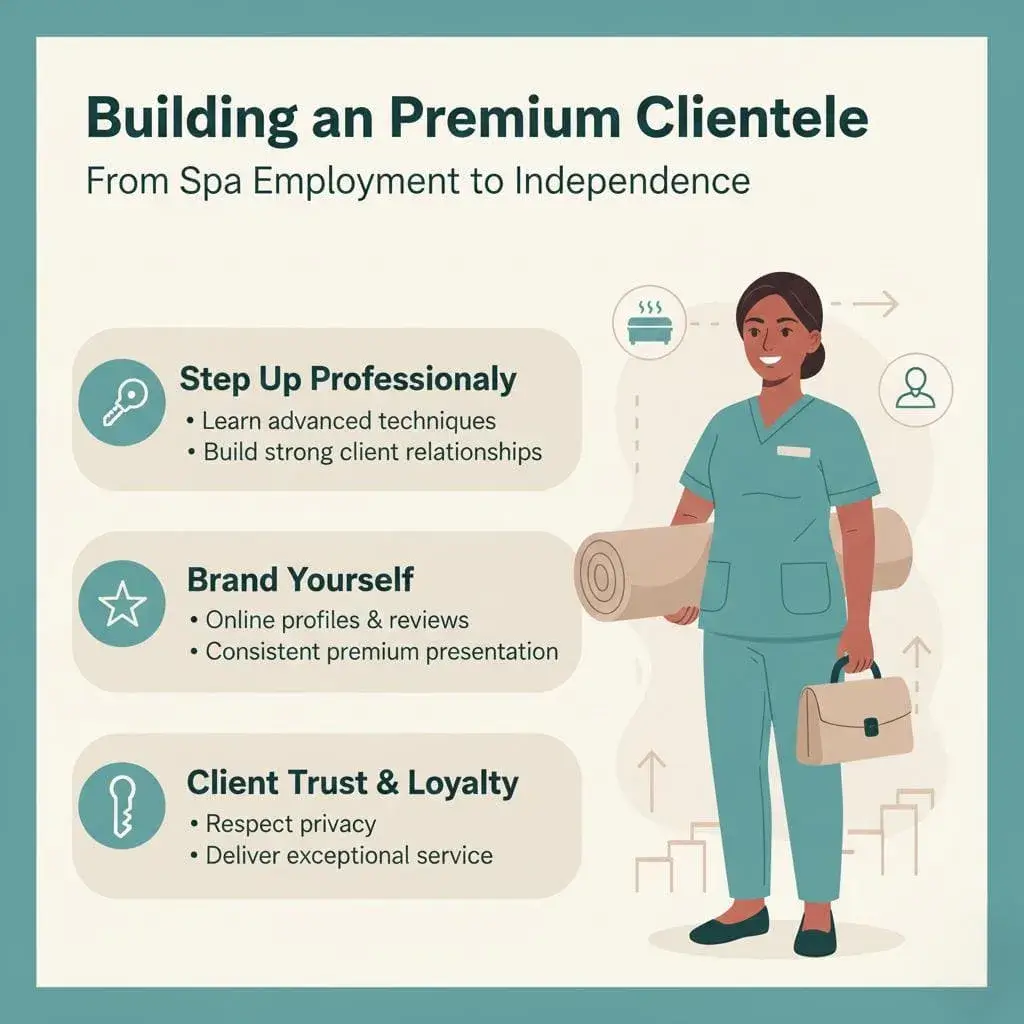
Building a Premium Clientele: From Spa Employment to Independence
A practical guide for massage therapists transitioning from spa work to premium home services. Build your client base, develop business skills, and create a sustainable independent practice.

Career Paths in Elite Wellness: Growth & Opportunities
Explore career growth opportunities for massage therapists in premium wellness. From specialist development to leadership roles, discover paths beyond session-by-session work.
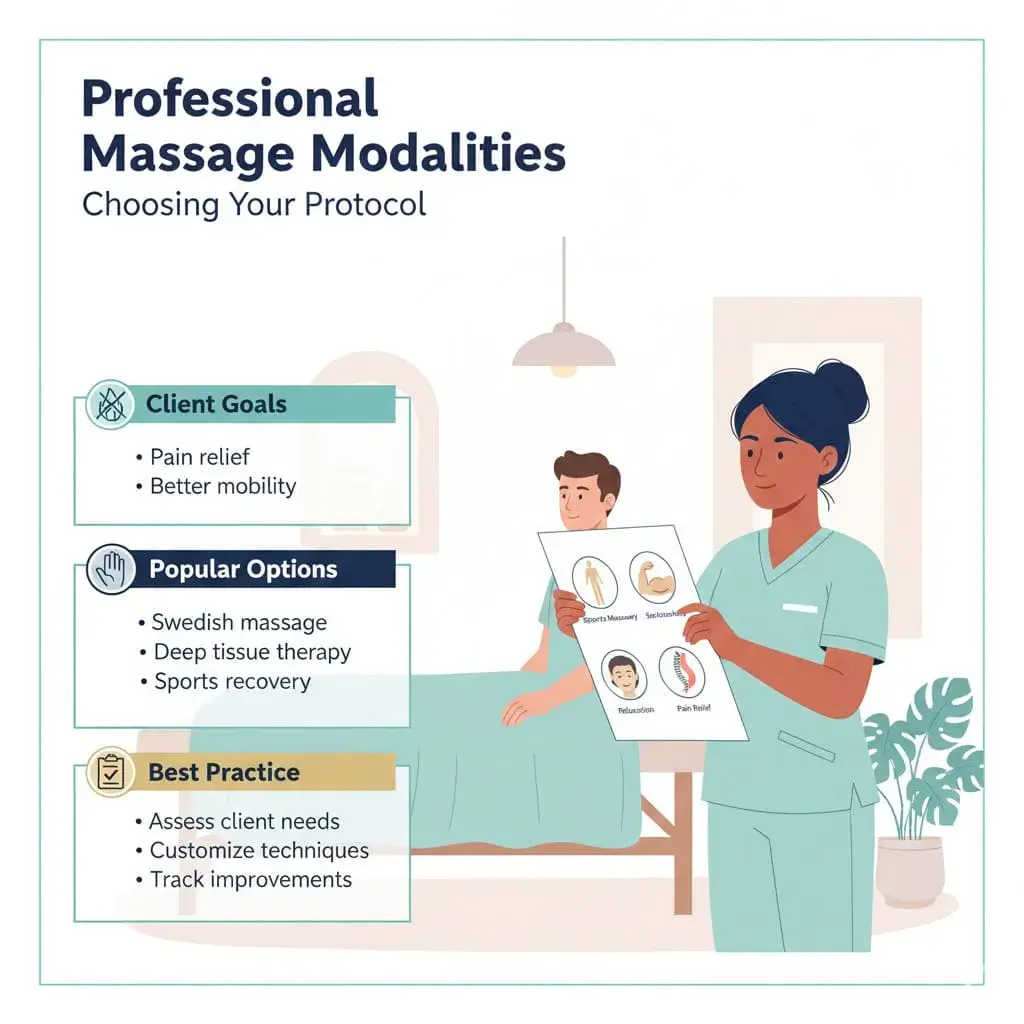
Professional Massage Modalities: Choosing Your Protocol
A decision framework for choosing the right massage type. Compare Swedish, deep tissue, sports, Thai, and other modalities to find your ideal match.